Pleasure Mapping: A practical way to reconnect with your body
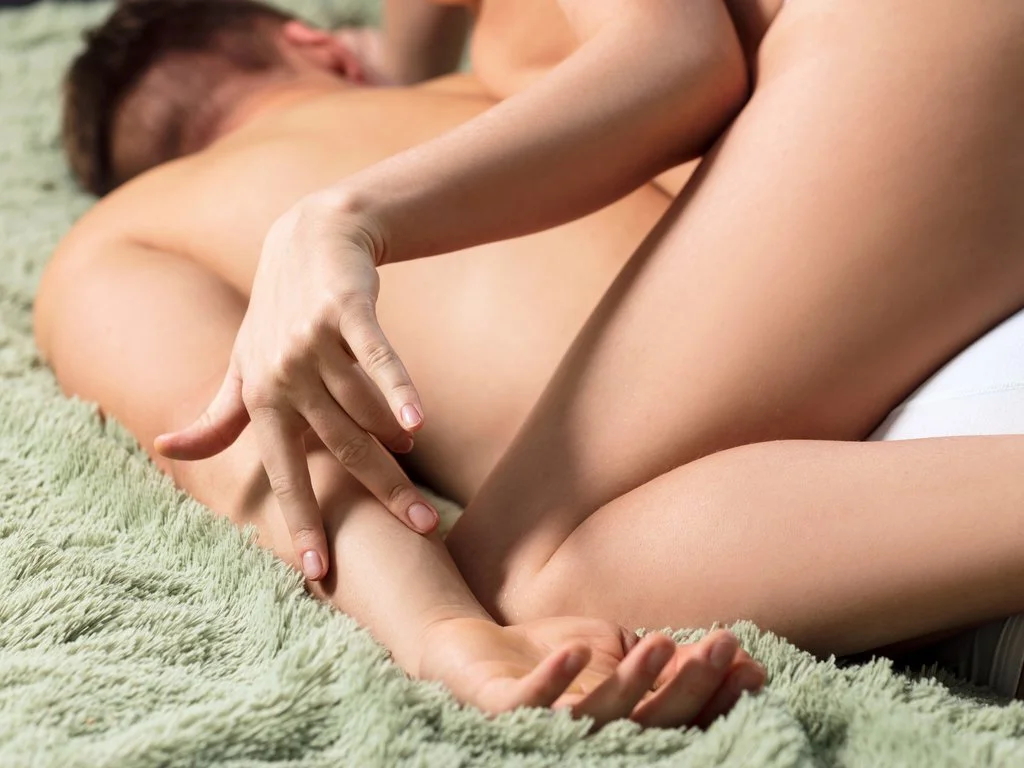
Many people assume that sexual wellbeing should be automatic—something that “just works.” When it doesn’t, the default response is often to try harder, think more, or focus on outcomes. This tends to make things worse.
Pleasure mapping (also known as sensate mapping) offers an alternative. It shifts attention away from performance and toward awareness of sensation, helping you understand how your body actually responds—both on your own and with a partner.
What Is Pleasure Mapping?
Pleasure mapping is a structured way of exploring physical sensation across the body without any goal of arousal or orgasm.
It is adapted from sensate focus therapy, but with a stronger emphasis on:
Identifying patterns of responsiveness
Understanding what increases or decreases arousal
Building body awareness and comfort
Rather than asking “How do I perform better?”, the focus becomes:
What does my body notice?
What feels comfortable, neutral, or uncomfortable?
What makes the sensations and pleasure better?
Why This Matters
Many common concerns—low desire, difficulty with arousal, avoidance, or feeling “disconnected”—are not actually problems with the body itself.
They are often linked to:
High cognitive load (thinking instead of feeling)
Pressure to perform
Stress or fatigue
Body image concerns
Lack of awareness of personal preferences
Pleasure mapping helps by:
Reducing performance pressure
Increasing interoceptive awareness (i.e. body awareness)
Clarifying individual preferences that increase pleasure
Rebuilding a sense of safety in the body
The Key Principles
Effective pleasure mapping relies on a few non-negotiable principles:
1. No Goal
There is no aim to become aroused or to reach orgasm. Outcomes are irrelevant.
2. Attention Over Evaluation
You are noticing sensation—not judging it.
3. Go Slowly
Fast escalation reduces awareness. Slowness increases sensitivity.
4. All Responses Are Valid
Numbness, discomfort, distraction—these are not failures. They are useful information.
Solo Pleasure Mapping
Solo work is often the most effective starting point because it removes interpersonal pressure.
Before You Start
Choose a private, comfortable space
Set aside 15–30 minutes
Remove distractions like phones or interruptions
Optional: use neutral or low lighting or calming music
Step 1: Grounding
Relaxation is key! To get fully into your body, start with some somatic awareness and grounding exercises. You can choose whichever method you prefer if you’re familiar with breathwork, yoga practices, mindfulness etc or start with these:
Notice your breathing, body position and contact with surfaces
Observe your current state of tension, fatigue, mood and thoughts
Step 2: Neutral Touch
Focus on areas like:
Arms
Hands
Shoulders
Face
Legs
Notice:
Temperature
Pressure
Texture
Subtle changes in sensation
Step 3: Expand Awareness
Gradually explore more of the body.
Vary:
Light vs firm touch
Slow vs slightly faster movement
Different types of contact
Observe:
Areas of clarity vs numbness
Preferences emerging
Any urge to rush or disengage
Step 4: Optional Inclusion of Sexual Areas
Only if comfortable, and without shifting into goal-directed behaviour.
If urgency or performance thinking appears, pause and return to neutral areas.
Step 5: Reflect
Afterwards, briefly note:
Any areas of increased awareness
Any areas of numbness or disconnection
What felt noticeable or surprising
What felt better or worse
Any emotional responses
Any barriers (e.g. distraction, tension, intrusive thoughts)
Any avoidance or discomfort
Partnered Pleasure Mapping
Partnered work focuses on communication and attunement, not performance.
Before You Start
Set expectations:
Time limits - 20-30 minutes works best
Gradual progression - start with low-intensity, non-sexual touch
Roles: one gives, one receives, then switch (can be within one session or separately)
No expectation of sex, orgasm, arousal or performance
A clear stop signal (verbal or non-verbal such as tapping)
Curiosity over judgement - all feedback is valuable, even things they don’t like
Agree on if you will each ‘have a turn’ or if you want to have individual sessions at different times (this often helps people get fully into their ‘give’ or ‘receive’ role as there is no expectation of mutual pleasure)
Step 1: Grounding
Sit or lie near each other
Notice your breathing, body position and contact with surfaces or each other
Briefly discuss: emotional and physical states
Step 2: Non-Sexual Touch
The giver:
Focuses on delivering varied, slow touch in areas typically considered non-sexual such as arms, hands, shoulders, face and legs
Explores different types of touch – light, firm, sensual, stroking
Attends to receiver feedback (verbal or non-verbal) in non-judgemental, curiosity led way
The receiver:
Focuses on internal sensation
Notices what feels good, unpleasant or neutral
Gives simple feedback if needed (e.g. “slower”, “more pressure”, “pause”)
Step 3: Expanded Mapping
Gradually include more of the body, staying within agreed boundaries. Only include sexual areas if comfortable.
Maintain:
Slow pacing
Non-goal focus
Ongoing consent
Vary:
Speed
Pressure
Type of touch (e.g. stroking, holding, tapping, sensual)
Step 4: Discuss
What felt comfortable or uncomfortable
Surprises or new insights
Preferences discovered
Any emotional responses
Avoid: criticism or performance evaluation
Understanding Your “Accelerators” and “Brakes”
One of the most useful outcomes of pleasure mapping is identifying patterns.
Accelerators (increase responsiveness)
Feeling relaxed
Emotional closeness
Novelty
Feeling desired
Pleasant sensory input
Brakes (reduce responsiveness)
Stress
Fatigue
Pressure to perform
Body image concerns
Resentment or relational tension
These factors often matter more than technique.
What to Expect
Early sessions may feel neutral, awkward, or even frustrating
Numbness or distraction is common
Progress is not measured by arousal, but by increased awareness
Over time, most people notice:
Greater clarity about preferences
Reduced pressure and anxiety
Increased responsiveness emerging naturally
When This Approach Is Useful
Pleasure mapping is particularly helpful for:
Low or inconsistent desire
Performance anxiety
Feeling disconnected from the body
Relationship or communication difficulties
Hormonal or life-stage changes (e.g. perimenopause)
Recovery from negative or stressful sexual experiences
Final Thoughts
This is not a quick fix or a technique to optimise performance. It is a way of retraining attention—moving from thinking and evaluating to noticing and experiencing.
Sexual education and attitudes mean people often have a very script or performance based approach to sex. Pleasure mapping and it’s related pleasure oriented sex framework offer a way of overcoming this inbuilt programming. For many people, that shift alone changes everything.